Меню
What Is a Trichologist?
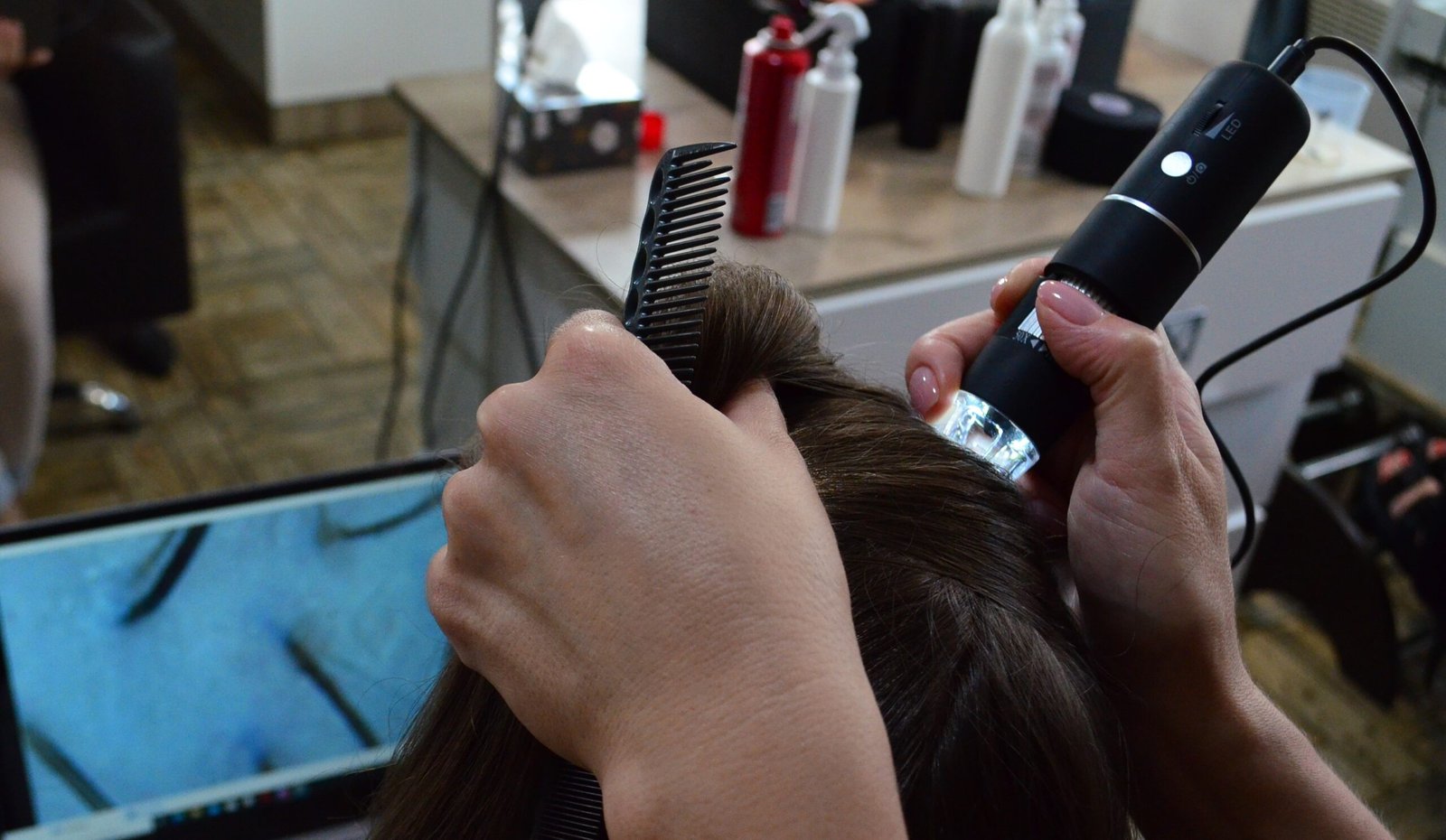
Trichology is the science that studies the structure, functions, and disorders of human hair. Clinical trichology focuses on the diagnosis and treatment of hair and scalp disorders.
Reasons to See a Trichologist
Hair Loss
Hair loss can be a significant source of concern. There are many misconceptions about its causes and treatment options. Trichologists are specialists whose area of expertise is specifically focused on the hair and scalp.
Alopecia is a clinical term used to describe different types of hair loss, particularly hair loss affecting the scalp. It may be diffuse, affecting the entire scalp, or it may be temporary or permanent.
It is important to determine the specific type of hair loss in order to choose the appropriate treatment and achieve the best possible results. One of the most common forms is androgenetic alopecia, often referred to as male-pattern or female-pattern hair loss.
There are a number of treatment options, including medical approaches such as platelet-rich plasma (PRP), cosmetic solutions such as hair fibers and hair-enhancement systems, as well as hair transplantation.
There are also external scalp treatments that may be considered during the early stages of hair loss or as part of a preventive approach.
A trichologist can explain the available options and help determine which approach may be most appropriate for each individual case.
Excessive hair loss can be distressing and may cause significant anxiety and uncertainty about what to do. In many cases, excessive shedding has several underlying contributing factors. Once these factors are identified and appropriately addressed, hair growth may improve.
Scalp Problems
Scalp conditions can range from mild dandruff to more significant inflammatory disorders. Common examples include seborrheic dermatitis and psoriasis.
A trichologist can assess the condition of the scalp and recommend appropriate trichological treatments to help manage the condition effectively.
A number of factors may contribute to scalp problems, including stress, diet, allergies, hereditary predisposition, and certain medications.
The role of a trichologist is to identify potential triggers and contributing factors and provide a comprehensive recommendation.
Similar symptoms can sometimes be associated with other metabolic changes. Stress, an unbalanced diet, or even sensitivity to certain products may contribute to scalp irritation and excessive buildup of dead skin cells.
An excessively oily scalp and hair can also be a reason to consult a trichologist. In such cases, it is particularly important to select the appropriate shampoo for the individual’s scalp type and determine the optimal frequency of use.
Recommended treatments may also include acid-based or mechanical scalp exfoliation, which can help remove buildup, support the scalp’s pH balance, and maintain a healthy scalp environment.
Hair Length and Texture Problems
These concerns may include dryness, porosity, split ends, thinning, and hair breakage.
Hair texture problems can be caused by excessive exposure to blow-dryers and flat irons, chemical treatments, as well as mechanical or physical damage.
In such cases, professional hairstyling advice and, ideally, consultation with a hairdresser trained in trichology can be extremely helpful.
Today, more and more hairstylists are studying the processes involved in hair structure, cosmetic chemistry, and product formulations, allowing them to develop a deeper understanding of trichology.
Hair texture problems can often be effectively managed with the right professional advice and treatment, particularly when the underlying causes can be reduced or eliminated.
Medical Treatment
In cases involving scalp inflammation, a medical trichologist or dermatologist may prescribe therapeutic creams and shampoos for use at home, in clinical settings, or as part of professional salon care.
Such products should always be used strictly according to the instructions provided by the healthcare professional.
A trichologist, even when highly trained, may not have the authority to prescribe prescription medications or perform procedures such as a biopsy when these are required to establish a complete diagnosis.
In such situations, a trichologist may work together with a gastroenterologist, gynecologist, endocrinologist, or dermatologist to carry out a more comprehensive evaluation and treatment when the underlying problem requires medical expertise beyond the scope of trichology alone.